
Navigating the booming trade between China and Mexico can be highly lucrative, but unexpected customs delays and hidden destination fees often eat into profits. With over 10 years of experience managing global freight, our team has seen firsthand how a lack of logistics planning can derail a profitable business. If you are managing smaller volume shipments, mastering DDP Shipping from China to Mexico via LCL is the ultimate key to protecting your margins. B2B importers, e-commerce sellers on Amazon FBA or Mercado Libre, and SMEs frequently struggle with calculating accurate landed costs, dealing with complex Mexican VAT (IVA), and coordinating multiple logistics parties. This comprehensive guide breaks down everything you need to know to streamline your supply chain without a dedicated in-house logistics team—keep reading to unlock seamless, cost-effective importing.
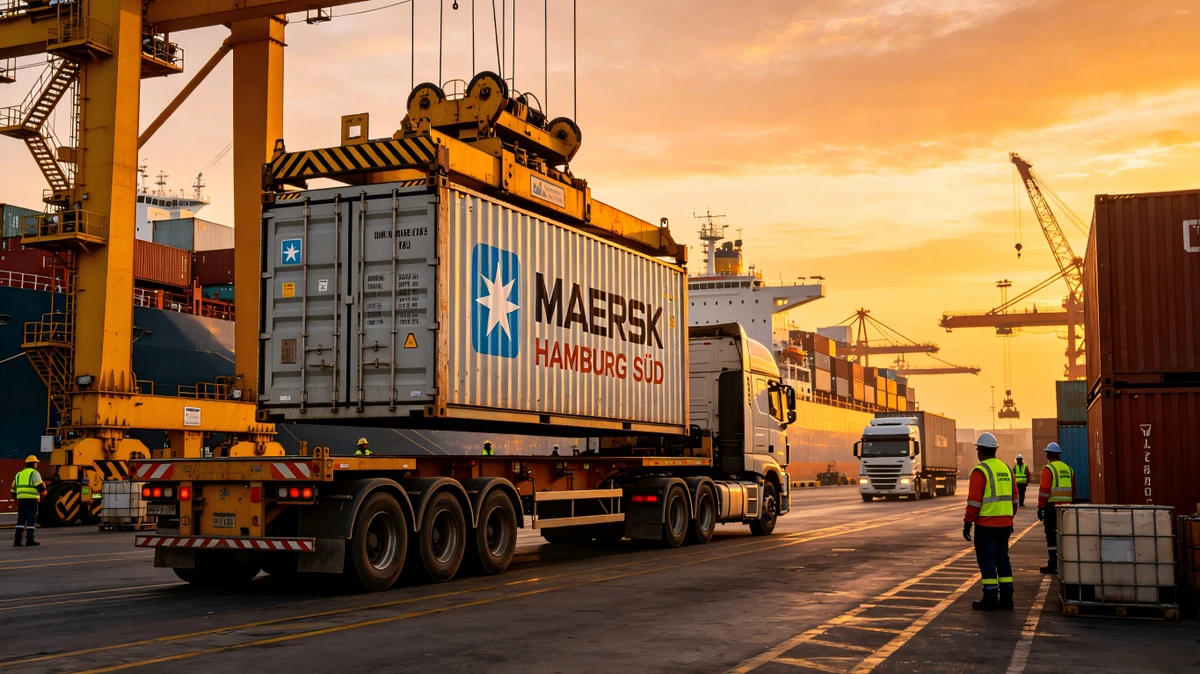
What is LCL Ocean DDP Shipping?
To fully grasp the advantages of this shipping method, it is essential to break down the two core concepts: LCL and DDP.
LCL stands for Less than Container Load. It is a highly economical ocean freight solution where your goods share container space with cargo from other shippers. Instead of paying for an entire 20-foot or 40-foot container, you only pay for the exact volume your cargo occupies, typically measured in Cubic Meters (CBM).
DDP stands for Delivered Duty Paid, which is a widely used commercial term under Incoterms 2020. When you ship under DDP terms, the freight forwarder or seller assumes all responsibilities, risks, and costs associated with transporting the goods from the origin factory in China directly to your specified destination address in Mexico.
The combination of LCL and DDP creates a powerful “Double Clearance” advantage. This means your logistics partner handles both the export Customs Clearance in China and the notoriously complex import Customs Clearance in Mexico. You do not need to worry about hiring separate customs brokers, paying surprise port fees, or dealing with local tax authorities. Everything is rolled into one seamless, door-to-door service.
Why Choose LCL DDP for Your Mexico Imports?
Choosing the right shipping method is a critical business decision that directly impacts your cash flow and inventory management. Here is why LCL DDP is often the smartest choice for businesses importing into Mexico.
1. Unmatched Cost-Effectiveness for SMEs
Why pay for an entire container (FCL - Full Container Load) when your cargo volume is under 15 CBM? LCL ensures you only pay for the space you use. This allows small and medium-sized enterprises (SMEs) to maintain a steady flow of inventory without tying up massive amounts of capital in large, infrequent shipments.
2. Predictable Landed Costs
One of the biggest hurdles in international trade is the “hidden fee” trap. With standard shipping terms like FOB or CIF, importers often face surprise destination charges, terminal handling fees, and fluctuating Duties and Taxes upon arrival in Mexico. DDP shipping eliminates this uncertainty. You receive an all-inclusive quote upfront, allowing you to accurately calculate your profit margins—a critical factor for e-commerce sellers managing strict bottom lines.
3. Hassle-Free Customs and Tax Compliance
Importing into Mexico usually requires a Mexican Tax ID (RFC) and enrollment in the Importers Registry (Padrón de Importadores). For foreign businesses or new importers, this administrative hurdle can take months to resolve. With DDP, your freight forwarder acts as the Importer of Record (IOR), legally handling the importation, paying the VAT (IVA), and navigating customs on your behalf.
LCL DDP vs. Alternative Shipping Methods
To help you make an informed decision, here is a comparison of LCL DDP against other common logistics models:
| Shipping Method | Ideal Cargo Size | Transit Time | Cost Level | Customs Responsibility | Best For |
|---|---|---|---|---|---|
| LCL DDP (Ocean) | 1 CBM to 15 CBM | 30 - 40 Days | Low / Moderate | Forwarder handles everything | SMEs, E-commerce, Regular restocking |
| FCL DDP (Ocean) | 15+ CBM | 25 - 35 Days | Low per unit | Forwarder handles everything | Large wholesalers, High-volume importers |
| Air Freight DDP | Under 1 CBM / 200kg | 5 - 10 Days | High | Forwarder handles everything | Urgent shipments, High-value electronics |
| LCL CIF/FOB | 1 CBM to 15 CBM | 30 - 40 Days | Moderate (Hidden fees) | Buyer handles Mexico customs | Companies with in-house Mexico brokers |
While LCL DDP is the most hassle-free option for most e-commerce sellers, if you have your own dedicated customs broker and RFC in Mexico, you might consider standard LCL CIF to retain direct control over tax declarations.
The Step-by-Step LCL DDP Process
Understanding the operational flow of your cargo helps reduce anxiety and allows for better inventory planning. Here is the step-by-step journey of an LCL DDP shipment from China to your door in Mexico.
Step 1: Cargo Consolidation in China
The process begins when your freight forwarder picks up the goods from your supplier’s factory (whether in Shenzhen, Guangzhou, Yiwu, or Shanghai). The cargo is transported to a designated Bonded Warehouse at the port of departure. Here, it is carefully measured, weighed, and consolidated into a shipping container alongside other compatible cargo destined for Mexico.
Step 2: Export Customs Clearance
Before the container can be loaded onto the vessel, it must clear Chinese customs. Your forwarder manages all export documentation, ensuring that the commercial invoices and packing lists comply with China’s strict export regulations.
Step 3: Ocean Freight Transit
The consolidated container is loaded onto a cargo ship and begins its journey across the Pacific Ocean. Depending on the shipping line and route, this ocean transit phase typically takes between 20 and 30 days.
Step 4: Mexico Customs Clearance (The Critical Phase)
Once the vessel arrives at a Mexican port (such as Manzanillo or Lázaro Cárdenas), the container is unloaded and moved to a deconsolidation facility. Here, the container is opened, and individual shipments are separated.
This is where the true value of DDP shines. The forwarder’s local customs broker takes over, submitting the necessary paperwork to the Mexican customs authority (SAT). They ensure that HS Codes are correctly applied and pay all applicable Duties and Taxes.
“In our experience managing DDP shipments to Mexico during peak season, we found that pre-clearing paperwork and double-checking HS codes before the vessel even arrives reduced customs delays by up to 40%.” �?Expert Insight from DDPShipping.
Step 5: Final Inland Delivery
After customs officially releases the cargo, it is handed over to a local Mexican courier or trucking network. A critical compliance step here is the issuance of the Complemento Carta Porte—a mandatory digital tax document required by the Mexican government for all inland freight. A seasoned DDP provider ensures this is seamlessly generated so your cargo isn’t halted by highway inspections. The goods are then transported directly to your final destination, whether that is a private warehouse, a B2B client’s storefront, or an Amazon FBA fulfillment center.
Transit Times & Major Shipping Routes
Time is money in international trade. While ocean freight is not as fast as air freight, proper planning can make it a highly efficient pillar of your supply chain.
The vast majority of ocean freight from Asia enters Mexico through its Pacific coast ports. Manzanillo is the busiest and most significant port for Asian imports, followed closely by Lázaro Cárdenas. In our daily operations, we often see Manzanillo experience severe congestion during the Q4 peak season. To combat this, our team frequently pre-files all entry documentation days before vessel arrival, or strategically reroutes urgent LCL containers through Lázaro Cárdenas to shave off 3 to 5 days of waiting time.
Here is a breakdown of estimated transit times from major Chinese manufacturing hubs to Mexico:
| Port of Origin (China) | Port of Destination (Mexico) | Ocean Transit Time | Est. Total Door-to-Door Time |
|---|---|---|---|
| Shenzhen / Guangzhou | Manzanillo | 20 - 24 Days | 30 - 35 Days |
| Shanghai / Ningbo | Manzanillo | 22 - 26 Days | 32 - 38 Days |
| Qingdao | Lázaro Cárdenas | 25 - 29 Days | 35 - 40 Days |
| Xiamen | Manzanillo | 24 - 28 Days | 34 - 39 Days |
Note: Total door-to-door time includes 5 to 10 days for origin consolidation, destination deconsolidation, customs clearance, and final inland trucking.
How Are LCL DDP Shipping Costs Calculated?
One of the most common questions importers ask is how freight forwarders calculate the cost of LCL shipments. Unlike parcel delivery, which relies heavily on actual weight, LCL ocean freight is primarily billed based on volume.
The CBM Formula
The standard unit of measurement for LCL shipping is the Cubic Meter (CBM). The formula to calculate CBM is: Length (m) x Width (m) x Height (m) = CBM
Freight forwarders charge a base rate per CBM. However, there is a caveat: the “Weight/Measurement” (W/M) rule. If your cargo is extremely dense and heavy (e.g., industrial machinery), the forwarder will charge based on weight rather than volume. Typically, the conversion ratio is 1 CBM = 1,000 kg. You will be billed based on whichever number is higher.
What is Included in an All-Inclusive DDP Rate?
A true DDP quote from a reliable partner like DDPShipping should be entirely comprehensive. It generally covers:
- Origin pickup and trucking fees in China.
- Chinese export customs clearance and documentation fees.
- Ocean freight charges (Port to Port).
- Destination Terminal Handling Charges (THC) and deconsolidation fees in Mexico.
- Mexican import duties based on your product’s tariff rate.
- Mexican Value Added Tax (IVA), which is standardly 16%.
- Final inland delivery via truck or courier in Mexico.
Cost Saving Scenario: “For example, a client shipping electronic accessories to Mexico recently saved 15% on total logistics costs by switching to our DDP service. Previously, under CIF terms, they were being hit with inflated terminal handling charges and unexpected broker fees upon arrival in Manzanillo. By consolidating the process into a single DDP rate, their landed costs dropped significantly, and their profit margins stabilized.”
Crucial Documentation for Smooth Mexico Customs Clearance
Mexico has notoriously strict customs regulations. A single missing document or a typo on an invoice can result in your cargo being held at the port, incurring massive demurrage and detention fees. While your DDP forwarder handles the heavy lifting, you must provide accurate foundational documents.
The Absolute Necessities
- Commercial Invoice: Must clearly detail the buyer, seller, exact description of the goods, unit value, and total value. Under-declaring value is a major red flag for Mexican customs.
- Packing List: A detailed breakdown of how the goods are packed, including weights, dimensions, and carton quantities.
- Bill of Lading (B/L): The official contract of carriage and receipt of cargo issued by the shipping line.
HS Code Classification Challenges
HS Codes (Harmonized System Codes) dictate the exact percentage of import duties your goods will incur. “Customs clearance hurdles” are frequently caused by incorrect HS code classification. Furthermore, while Mexico maintains a De Minimis Threshold of $50 USD for duty-free and tax-free imports, commercial LCL shipments almost always exceed this value, meaning strict compliance is mandatory. According to Mexico’s Servicio de Administración Tributaria (SAT), misclassification or under-declaring values not only results in hefty fines but can lead to the permanent seizure of goods. Always work closely with your forwarder to classify your products accurately before the ship leaves China.
The Role of the Importer of Record (IOR)
As mentioned earlier, importing into Mexico requires a registered entity. Under the DDP model, a specialized third-party company acts as the Importer of Record (IOR). They utilize their established legal entity and RFC to clear your goods, meaning you do not have to establish a corporate presence in Mexico just to import a few pallets of inventory.
Common Pitfalls & How to Avoid Them
Even with the convenience of DDP, international shipping carries inherent risks. Here is how savvy importers avoid common LCL pitfalls.
1. Poor Packaging
LCL cargo undergoes significantly more handling than FCL cargo. It is loaded onto trucks, moved into warehouses, packed into containers alongside other goods, unpacked at the destination, and loaded onto local delivery trucks. The Fix: Ensure your supplier uses heavy-duty, export-grade corrugated cartons. Whenever possible, have your goods palletized and shrink-wrapped. This prevents cartons from being crushed by heavier cargo in the shared container.
2. Under-Declaring Value
Some suppliers offer to declare a lower value on the Commercial Invoice to reduce the Duties and Taxes owed. This is highly illegal and heavily penalized by Mexico’s tax administration (SAT). The Fix: Always declare the true transactional value of the goods. The temporary tax savings are never worth the risk of having your cargo permanently confiscated by customs.
3. Peak Season Bottlenecks
The shipping industry experiences severe capacity shortages and price spikes leading up to major holidays. The weeks preceding Chinese New Year (usually January/February) and the Q4 holiday rush (October/November) are notorious for rolled cargo and port congestion. The Fix: Forecast your inventory needs early. Book your LCL shipments at least 3 to 4 weeks in advance during peak seasons to guarantee container space.
Frequently Asked Questions (FAQs)
How long does LCL sea freight take from China to Mexico?
Generally, you should expect a total door-to-door transit time of 30 to 40 days. The ocean voyage itself takes about 20 to 30 days, but LCL requires additional time for consolidation in China and deconsolidation and customs clearance in Mexico.
What is the difference between DDP and DDU/DAP to Mexico?
Under DDP (Delivered Duty Paid), the forwarder pays the import duties and Mexican VAT (IVA) on your behalf. Under DDU (Delivered Duty Unpaid) or DAP (Delivered at Place), the forwarder transports the goods to your door, but you are responsible for paying the local customs broker, the import duties, and the taxes before the goods are released.
Can I use LCL DDP for Amazon FBA or Mercado Libre in Mexico?
Absolutely. LCL DDP is the preferred method for international e-commerce sellers. The forwarder clears the goods and delivers them directly to the Amazon MEX fulfillment centers or Mercado Libre full warehouses, ensuring all packaging and labeling requirements meet platform standards.
Do I need my own RFC (Mexican Tax ID) to import under DDP?
No. One of the primary benefits of DDP is that the freight forwarder utilizes a third-party Importer of Record (IOR) who possesses the necessary RFC and Padrón de Importadores registration. You can receive goods in Mexico without being a registered local business.
How do I prepare my goods for LCL consolidation?
Communicate clearly with your Chinese supplier. Request that goods be packed in export-standard, double-walled cartons. Request palletization (using fumigated or plastic pallets) and ensure every carton is clearly labeled with shipping marks, including your company name, destination, and carton number (e.g., 1 of 50).
Conclusion & Next Steps
Mastering LCL Ocean DDP Shipping from China to Mexico empowers your business to expand into one of the world’s fastest-growing consumer markets with confidence. By leveraging the cost-sharing benefits of LCL and the administrative simplicity of DDP, you can maintain predictable landed costs, avoid customs nightmares, and focus your energy on sales and growth.
However, the success of a DDP shipment relies entirely on the expertise of your logistics partner. Don’t let compliance complexities or hidden fees slow down your business. Partner with DDPShipping, the global leader in DDP door-to-door services. We offer transparent, all-inclusive rates without hidden fees, acting as your dedicated supply chain extension from the factory floor in China straight to your door in Mexico.
Ready to optimize your Mexico imports? Contact DDPShipping today for a free, no-obligation LCL DDP freight quote.