
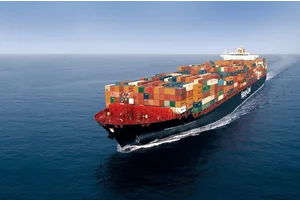
Sea Freight to Luanda
FCL and LCL into the Port of Luanda, which handles the majority of Angola's seaborne cargo, with on-carriage to Viana, Cacuaco and the Luanda industrial belt.
Freight into Luanda or Lobito with the loading certificate filed in China, the import licence managed, and duty plus 14% VAT settled before delivery.
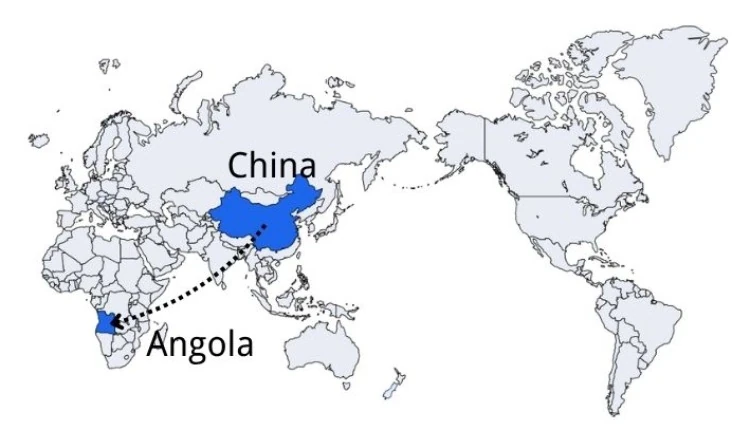
32-42
Days (Sea Freight)
100%
DDP Service
Ocean freight into Luanda, Lobito or Namibe, air cargo into Luanda, and the paperwork that has to be finished before the cargo is loaded.
FCL and LCL into the Port of Luanda, which handles the majority of Angola's seaborne cargo, with on-carriage to Viana, Cacuaco and the Luanda industrial belt.

Air cargo (4-7 days) into Luanda's Quatro de Fevereiro (LAD), the practical route for urgent stock, spare parts and high-value electronics.

The ARCCLA loading certificate is issued through an authorised agent before loading, then the AGT declaration is filed in ASYCUDA World and the cargo is released to your address.
Angola's entry point is not the customs declaration but the loading certificate: without it the cargo does not legally sail, and nothing can be fixed at Luanda afterwards.
Every sea shipment needs a loading certificate issued through a CNCA-authorised agent working with ARCCLA. We file it in China before the container is loaded, which is the only point at which it can be filed.
Duty is assessed per HS code on the CIF value, with the general customs fee and stamp duty added, and VAT at 14% charged on the duty-paid value. Reduced rates apply to defined foodstuffs and inputs; all of it is prepaid in our DDP price.
INIQ enforces Portuguese-language labelling and packaging rules, and corrective stickers at the port cost more than printing the label right. We check the artwork against the product category before production ships.
Luanda (Sea Freight)
Lobito & Benguela (Sea Freight)
Namibe & Lubango (Sea + inland)
Luanda (Air Freight, LAD)
Angola splits the work between three bodies: AGT clears the cargo, MINCO licenses the import and INIQ polices standards. Each one has to be satisfied before release.
Sea imports into Angola need a cargo loading certificate issued through an agent authorised by the Angolan Shippers Council and processed with ARCCLA. It must be obtained before loading in China; there is no way to raise it after the vessel has sailed.
Commercial imports require an import licence from the Ministry of Industry and Commerce, requested through the PICE platform — Angola's single trade window (JUCE) is not yet in operation. The licence number forms part of the customs file.
Duty is ad valorem on the CIF value under the Angolan tariff, with a general customs fee and stamp duty added, and VAT at 14% charged on the duty-paid value. Reduced rates apply to defined basic foodstuffs and agricultural or industrial inputs. All of it is prepaid under DDP.
The National Institute of Quality Infrastructure (INIQ) enforces standards, labelling and packaging rules; Portuguese labelling is mandatory and corrective stickers at the port are slow and chargeable. Certain categories, electrical cables among them, need a conformity certificate before import, and food may be sent for laboratory testing.
What importers ask us most often about DDP shipping into Angola.
Commercial invoice, packing list, bill of lading or air waybill, certificate of origin, insurance details, the MINCO import licence and the ARCCLA loading certificate. The customs declaration itself is the Documento Único filed in ASYCUDA World, and we handle that with the broker.
A cargo certificate that must be issued before goods are loaded in China, through an agent authorised by the Angolan Shippers Council and processed with ARCCLA. It is a pre-shipment document: miss it and the container cannot be cleared, so we file it as part of the booking rather than at the port.
The standard rate is 14%, charged on the CIF value plus duty and fees. Reduced rates apply to defined widely consumed foodstuffs and to agricultural or industrial inputs under the current budget, and Cabinda has its own regime. We confirm the rate that applies to your HS code at quoting stage.
Sea freight into Luanda is typically 32-42 days from South China, and Lobito or Benguela add two to four days. Namibe and the southern interior take longer. Air freight into Luanda is 4-7 days door to door. Port dwell in Luanda is the variable we watch most.
The importer of record needs an Angolan registration and a MINCO import licence. Under DDP we work with the importer arrangement and a licensed broker, so you do not have to set up an Angolan entity for the clearance step.
Yes, Lobito and the Benguela railway corridor serve that traffic and it is quoted as a transit movement, not as an Angolan import. The customs treatment differs, so we price the transit leg separately from a Luanda delivery.
Yes, our DDP service starts at 45 kg per shipment. Below that the fixed clearance, licence and certificate cost per kilo outweighs the freight saving, so we would suggest a consolidated option instead.
Send the cargo details, the destination city and your deadline. We reply with a landed cost covering freight, the loading certificate, clearance, duty, VAT and final delivery.
One contact from quotation to delivery at your address in Angola.
We confirm the ARCCLA certificate and MINCO licence route before your cargo is booked, not after.
A lane-specific price and transit plan within one working day, including the landed cost.