
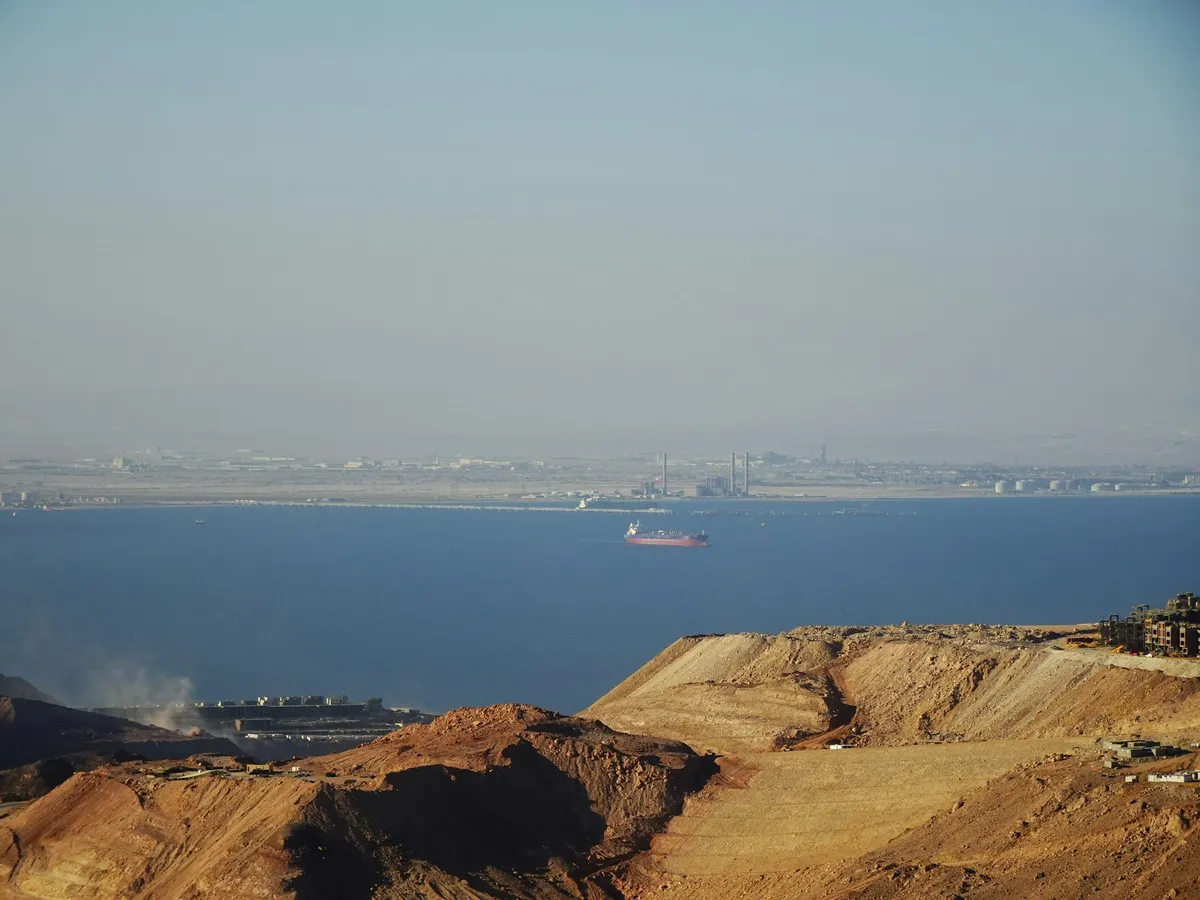
For more than two and a half years, almost every container ship sailing from China to Europe took the long way around the Cape of Good Hope. That era is ending — service by service. In mid-September 2026, Maersk and Hapag-Lloyd announced that four more Gemini alliance services will route through the Suez Canal again, with the first westbound sailings scheduled between 19 and 24 September. MSC had already resumed partial transits in August, and COSCO and OOCL joined in mid-September.
If you buy DDP shipping from China to Europe, this is the most important routing shift since the Red Sea crisis began. Shorter sailings mean faster door-to-door times and easing rates on Asia–Europe lanes — but with 11% of East–West sailings still blanked and reliability at its 2026 low, Q4 will reward shippers who plan early and lock routing in writing.
Which Carriers Are Back in the Suez Canal?
Returns are happening vessel by vessel, not all at once. Here is where the major carriers stood as of 21 September 2026:
- Maersk & Hapag-Lloyd (Gemini): AE11, AE5 and ME2 scheduled their first westbound Suez sailings on 19, 21 and 24 September respectively; first eastbound sailings run from 22 September through 31 October, with AE12 to be dated later.
- MSC: Partially restored Suez transits on the Jade, Albatros, Tiger and Himalaya services from 20 August; the Indusa service sends westbound sailings via Suez from 23 September, with eastbound legs still rounding the Cape.
- COSCO & OOCL: Began eastbound Suez transits from 15 September.
- Evergreen, ONE, HMM and Yang Ming: Had not returned to the Red Sea as of mid-September, according to Linerlytica.
Carriers are explicit that every return depends on continued stability in the Red Sea. Routing can reverse quickly — Maersk sent ME11 and MECL sailings back around the Cape only 15 days after ME11’s first Gemini Red Sea transit in early 2026.
What This Means for Transit Times and Rates
A Suez transit saves roughly 11 days on a typical China–Genoa service compared with the Cape route, according to Xeneta. For DDP shippers, that shows up directly in door-to-door quotes: sea freight DDP from China to major European ports that ran 45–60 days via the Cape is moving back toward the 35–50 day range on confirmed Suez routings.
Rates on Asia–Europe lanes are already reflecting the restored capacity. Between 13 August and 10 September, Drewry’s Shanghai–Rotterdam index fell 9.7% to about USD 3,997 per 40ft, and Shanghai–Genoa dropped 17.0% to USD 4,216. The picture is split, though: transpacific lanes moved the other way, with Shanghai–Los Angeles up 17.7% to USD 7,352 — so if you also buy from China to the US, expect a very different negotiation from your European one.
Our advice for Q4 quotes: until your forwarder confirms Suez routing on a specific booking before departure, plan on Cape transit times and treat any Suez saving as a bonus. If you’re comparing all-in prices, our DDP shipping cost guide explains how to read the rate lines so you can tell a genuine routing discount from a padded surcharge.
Blank Sailings and Reliability: The Catch in the Good News
The return to Suez does not mean smooth sailing yet. Drewry counts 79 of 721 East–West sailings (11%) blanked between 14 September and 18 October, clustered around China’s holidays on 25–27 September and 1–7 October. Sea-Intelligence put global schedule reliability at just 56.4% in July — the lowest of 2026 — with late vessels averaging 6.06 days behind.
Practical takeaways for DDP bookings:
- Get China-origin cargo to the terminal before 24 September to clear the holiday squeeze, and add at least one week of buffer on Asia deep-sea arrivals until mid-October.
- Get Suez or Cape routing in writing for every booking, and agree in advance who pays for extra days and surcharges if a voyage switches back to the Cape.
- Share Q4 forecasts with your forwarder now — space on confirmed Suez sailings will be contested during peak season.
The Other Side of the Map: Hormuz and the Gulf
While the Suez picture improves, the Strait of Hormuz remains effectively closed to container shipping (since 28 February 2026). Gulf cargo moves on emergency surcharges and overland routes: Maersk’s 11 September update set emergency freight of USD 1,800–3,800 per container for much of the Gulf plus a USD 1,000 Hormuz transit fee, and China–Jeddah rates have exceeded USD 10,870 per FEU — above the Covid-era record. If your supply chain touches the Middle East, our Middle East DDP routes are worth reviewing with your forwarder before committing to Q4 volumes.
How to Lock In the Advantage with DDP
Volatility is precisely where DDP earns its keep. Under a DDP door-to-door agreement, your forwarder — not you — carries the risk of routing changes, surcharge shifts and customs complexity, and you see one predictable delivered price. For European importers, confirmed Suez routings are already flowing into more competitive FCL sea freight DDP from China to Germany and sea freight DDP from China to Spain quotes, with transit times shortening week by week as more services return.
At DDPShipping, we monitor carrier advisories daily and confirm routing voyage by voyage, so your quoted transit time reflects the ship your cargo is actually on — not the average of ships that may not be sailing. Get a free Q4 quote today and we’ll tell you exactly which lane, which routing and which arrival window your shipment gets.